
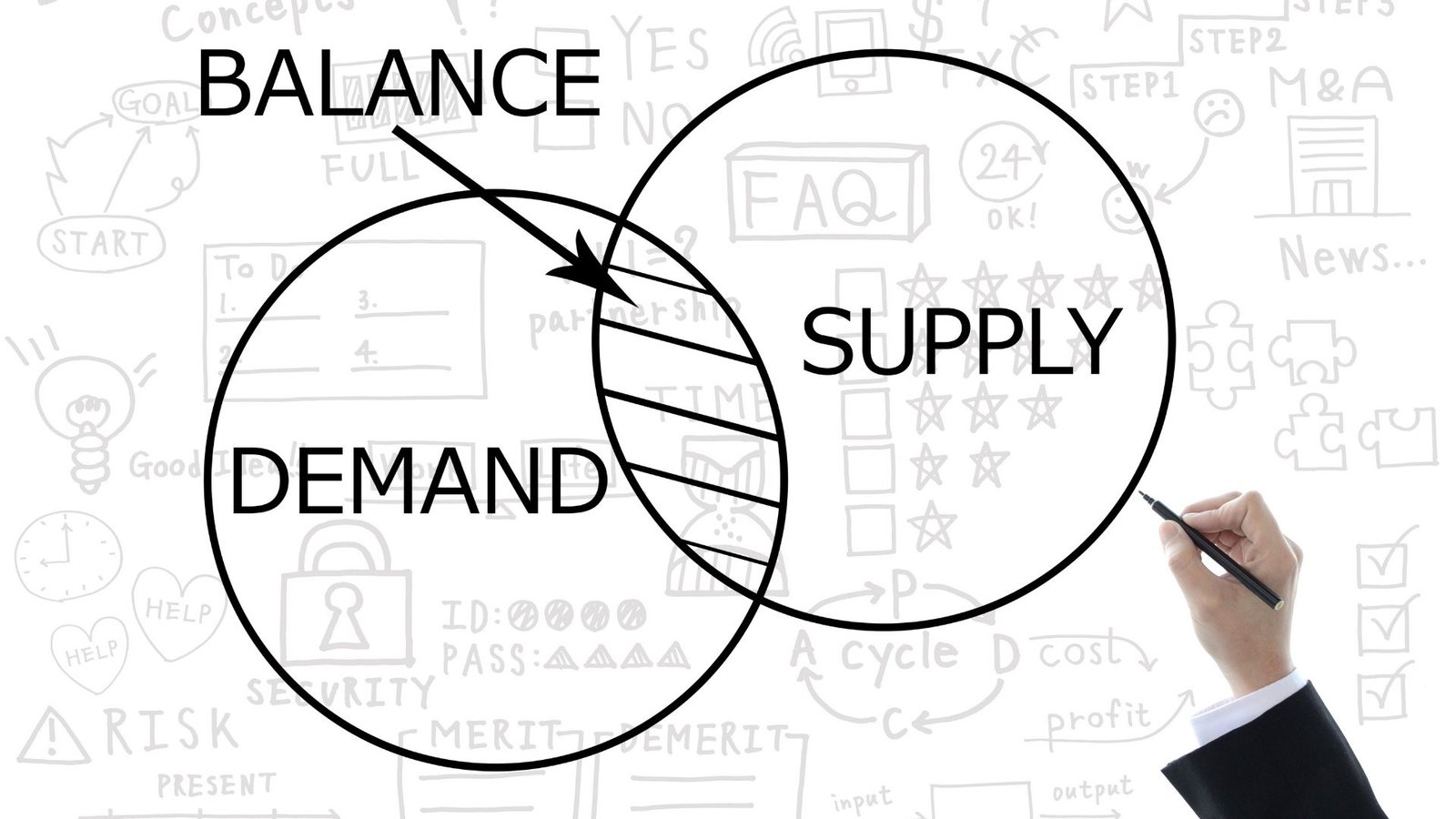
The world of modern business operates at the pace of constant change. Markets shift, consumer preferences evolve, industries adopt new trends, and unforeseen challenges emerge. It can feel overwhelming, even for seasoned business leaders, to stay ahead of these shifts. But amidst all this uncertainty, one overlooked signal has emerged as an invaluable tool for companies seeking foresight into market movements — search demand.
Search demand provides a pulse on what people are thinking about, curious about, or needing at any given time. This blog explores how search trends, backed by tools like Google Trends and keyword analytics, serve as an early warning system for businesses. Whether you’re in retail, technology, healthcare, or any other sector, understanding search demand offers timely advantages, helping you move faster than your competitors.
What is Search Demand? Definition and Mechanics
Every day, millions of users take to search engines with their queries, ranging from practical product searches like "ergonomic office chairs" to more unexpected trends like "how to bake focaccia." These searches leave behind a wealth of aggregated data that reveal spikes, drops, and shifts in interest for topics, products, and services.
By monitoring search demand, businesses can identify trends and gain insights that weren’t obvious through traditional research methods. Take seasonality, for instance. An SEO company might notice that searches for "website optimization services" spike at the start of Q1, as businesses set fresh goals for online growth in the new year. By tracking this data early, the company can tailor marketing efforts to meet the heightened demand, roll out targeted content, and adjust resources to maximize conversions during this critical period.
Search Demand represents the aggregated, time-series measure of active information-seeking behavior for a product, problem, ingredient, symptom, or aspiration. Unlike metrics like raw Search Volume, which answers “how many,” Search Demand answers deeper questions—“how much more than expected, by whom, and how urgently”—by normalizing trends against a baseline and categorizing intent. It shows dynamic changes in behavior and identifies the depth, velocity, and spread of user searches.
Distinction from Similar Metrics
Search Demand stands apart by offering a comprehensive view of user behavior over time, compared to metrics that focus on static or isolated aspects of search activity. Here's how it differs:
- Search Volume provides a raw numerical count, answering “how many searches occurred for this keyword?” While useful for gauging size, it doesn’t highlight spikes or dips in interest, nor does it reveal emerging trends. For example, a keyword with 10,000 monthly searches that experiences a sudden 400% surge in a specific region signals a sharper rise in demand than a stagnant 500,000-search keyword. Search Volume alone fails to capture this dynamic behavior.
- Search Intent classifies search queries into categories such as informational, navigational, or transactional, helping to identify user objectives at a given moment. However, it operates in snapshots and doesn’t reflect how intent shifts over time. For instance, Search Intent can differentiate “what is quiet luxury” as informational and “quiet luxury brands under $500” as transactional. Search Demand goes further to track how users progress from curiosity to purchase intent, offering a time-based view of this evolution.
- Social Buzz, on the surface, may seem to convey similar cultural relevance, as it captures what’s trending on social platforms. However, it is largely reactive and performative, reflecting conversations often after user intent has solidified or actions have been taken. Search Demand, in contrast, identifies early, private indicators of interest—even before users publicly acknowledge their intent—making it a more forward-looking metric for understanding and anticipating future behavior.
| Metric | Focus | Limitations | How Search Demand Compares |
| Search Volume | Raw count of keyword searches | Doesn’t show spikes, trends, or regional variations | Tracks surges, velocity, and deeper patterns dynamically |
| Search Intent | Classifies queries by user intention | Isolates moments; lacks time-series view | Captures behavior evolution, from awareness to action |
| Social Buzz | Social trends and post-actions | Reactive, external, and performative | Captures private signals before intent is public or performative |
Search Demand's strength lies in its ability to unify size, urgency, and pattern recognition, offering predictive insights across market interest and user behavior shifts. Think of it as the earliest lens into what’s next.
Mechanics — Three Core Layers
- Velocity
Tracks the rate of search increases against a 52-week baseline. Sustained activity (>2 standard deviations for 14+ days) signals shifts in demand. - Depth
Measures the growth of specific queries, from broad three-word searches to detailed five-word specifications. This long-tail expansion often indicates deepening user interest. - Spread
Monitors geographic and demographic penetration. Trends often originate within hyper-local niches before spreading widely.
Formula (simplified):
Search Demand Score = (Δ Velocity × Depth Coefficient × Spread Index)
Scores above 75 often signify actionable demand, helping businesses predict where to focus resources.
Putting it Into Practice
- Avoid tracking branded terms directly; focus instead on the 300-800 "adjacent problem" keywords related to your category.
- Example for a food company: Monitor queries like “why am I bloated after milk” or “high protein low sugar snack for Ozempic” rather than branded terms like “Oatly.”
- Recognize that weak signals from individual searches may be overlooked but become significant when aggregated into a broader demand narrative.
- Such signals often surface months ahead of traditional business reports (e.g., Nielsen data).
- Transition raw search volume into actionable Search Demand using the following steps:
- De-seasonalize data to remove seasonal fluctuations.
- Cohort queries based on the "job-to-be-done" to group similar user intents.
- Focus on queries with a high percentage of new user searches (e.g., a 70% new user ratio is more predictive than repeat searches).
- Leverage refined search data methodologies to uncover consumer insights early and enable strategic, informed decision-making.
Why Search Demand Can Reveal Change Earlier Than Sales Data
Sales data reflects completed transactions — the story of what customers have already purchased. While valuable for understanding past performance, it often lags behind emerging trends, as purchasing decisions typically unfold over time. Search demand, however, offers a unique perspective into what customers may be starting to explore or consider. This distinction is critical because most purchase journeys are not instantaneous; they evolve across multiple stages, including problem identification, research, evaluation, and decision-making. Each stage generates signals in search behavior, which businesses can proactively monitor to identify early indicators of market shifts.

Consider how search demand functions as an early warning system. Imagine a company that sells energy-efficient commercial equipment. Sales data may only show changes once customers actively begin requesting quotes or placing orders. However, deeper insights can often be found further upstream. For example, a noticeable rise in searches related to "rising energy costs," "conducting energy audits," "commercial equipment energy ratings," or even "reducing operating expenses" could suggest that businesses are becoming increasingly concerned about escalating utility bills. Although these search patterns do not directly translate into immediate sales, they reveal growing awareness of a potential problem. This early signal allows businesses to investigate further before sales trends confirm the shift.
Search Demand as a Strategic Planning Tool
By identifying patterns in search behavior, businesses can anticipate customer needs and adapt their strategies accordingly. For example, the energy equipment company could take proactive steps such as:
- Developing Educational Content
Creating articles, blogs, or case studies about managing energy costs or improving operational efficiency aligns with the emerging concern. By addressing these queries early, the company positions itself as a trusted advisor during the research phase. - Reevaluating Product Offerings
Understanding which aspects of efficiency or sustainability are drawing attention might prompt adjustments to the product lineup to better address customer priorities. - Training Sales Teams
Equipping the sales team with insights about trending pain points — such as "energy audits" or "lowering electricity bills" — enables them to engage prospects with tailored, relevant solutions. - Launching Timely Campaigns
Based on search interest, the business could introduce offers or campaigns focusing on specific benefits, such as rebates for energy-efficient equipment or limited discounts on key products.
Universal Application Across Industries
This principle applies beyond one sector. For example:
- Healthcare Providers
Rising search interest in specific symptoms, conditions, or treatments can alert providers to potential demand before appointment schedules reflect the trend. This insight allows healthcare systems to prepare targeted marketing, proactive patient outreach, or expanded services. - Software Companies
Entrepreneurs might notice queries about potential alternatives to their platform before actual customer churn occurs. Recognizing this trend early allows them to address concerns, improve offerings, or promote differentiators to retain users. - Retailers
Search spikes related to product features, like "waterproof jackets with hidden pockets" or "ergonomic wireless keyboards," can signal evolving customer preferences. Catching such shifts ahead of competitors enables retailers to adjust inventory, create specific marketing campaigns, or launch new collaborations.
The Timeline Advantage
The predictive power of search demand data depends on several variables, such as the complexity of the product, average decision-making timeframes, and industry dynamics. High-involvement purchases (like real estate or industrial machinery) may exhibit early search indicators months or even years before sales materialize, while fast-moving consumer goods might exhibit much shorter timelines.
What’s important to note is that search demand provides the "what" — a potential change in customer behavior. While it does not confirm the "why" or the "what next," it flags areas that demand deeper exploration. For example, a retailer noticing rising interest in energy-efficient appliances could investigate whether the trend is driven by environmental concerns, new regulations, or seasonal factors like rising summer utility bills.
By understanding these drivers, businesses can anticipate and address questions of customers, such as "What makes this product more energy-efficient?", "How much will I save over time?", or "Are there government rebates available for this purchase?" With this layered understanding, businesses can make well-informed, strategic adjustments that not only respond to the demand but also address the underlying needs and concerns of their customers.
The Essential Takeaway
Search demand is an invaluable tool for recognizing potential shifts in customer behavior far earlier than traditional sales data allows. By monitoring these early indicators, businesses can better read the market, stay agile, and act on emerging opportunities with confidence. While additional evidence is necessary to validate these shifts, the ability to detect nascent trends empowers businesses to stay ahead of the curve and meet evolving customer needs head-on.
Search Demand and the Difference Between Attention and Opportunity
One of the most common mistakes in market analysis is assuming that rising search volume automatically represents a business opportunity. It does not. A topic can receive growing attention without creating meaningful demand for a product or service. Search interest may be driven by entertainment, controversy, temporary news, academic curiosity, or a problem that customers can solve without purchasing anything.
For example, searches for a new technology may surge after a significant announcement, yet most searchers may simply be trying to understand what the technology does, without intending to buy. Conversely, a highly specific topic such as a specialized industrial component, a professional software feature, or technical consulting service may have limited search volume but hold substantial commercial potential for its niche audience.
To differentiate between attention and opportunity, businesses should assess three key dimensions:
| Dimension | Definition | Assessment Questions |
| Attention | The number of people investigating the topic and how this trend evolves over time. | Is the topic receiving increasing interest? Does search volume indicate enduring attention or a short-term spike? |
| Relevance | The degree to which the interest aligns with a target audience the business can realistically serve. | Are searchers likely potential customers? Does their intent match the solutions your business provides? |
| Commercial Potential | Evidence that this problem or interest could translate into revenue-generating actions like purchases. | Are searchers looking for solutions that cost money? Are their problems solvable through products or services you offer? |
A well-rounded opportunity evaluation combines these dimensions rather than relying simply on ranking keywords by monthly search volume. Furthermore, market accessibility is another critical factor. Some fast-growing topics may be dominated by entrenched suppliers, involve high switching costs, or be otherwise difficult to enter profitably. Meanwhile, a smaller, niche market might be underserved and more open to new entrants.
Ultimately, the goal is not to react to every rising keyword but to strategically identify shifts in customer interest that align with the company’s strengths, resources, and long-term objectives.
The Four Stages of an Early Search Signal
Not every surge in search activity should prompt an immediate business response. To distinguish between fleeting trends and meaningful opportunities, a structured framework is essential. These four stages outline how customer search behavior evolves as they progress from awareness of a problem to selecting a specific solution.
Stage 1: Initial Problem Awareness
At this stage, customers are often unaware of the exact problem they face or may be seeking a better understanding of a general concern. Their searches tend to revolve around symptoms, causes, or explanations rather than solutions. For instance, queries might include:
- Why are electricity bills increasing?
- Why is website traffic declining?
- How can small businesses reduce delivery delays?
- Why does inventory management take so much time?
These searches are exploratory and problem-focused. Customers are seeking clarity but are not yet ready to take action. For businesses, this is an opportunity to understand the language and context customers use to describe their challenges. This insight can highlight gaps in current products, services, or educational materials. Businesses should pay attention to these shifts in search patterns but avoid jumping straight to promotion. Instead, they can investigate the root causes of these problems to better anticipate future needs.
Stage 2: Solution Exploration
Once customers have identified their problem, their searches evolve into exploring potential methods, strategies, or categories of solutions. At this stage, queries might include:
- Ways to reduce commercial electricity costs
- Inventory automation for small businesses
- Methods to improve website conversion rates
- Alternatives to manual customer reporting
These searches signal that customers are moving beyond awareness and are actively researching how to address their challenges. For businesses, this is the time to assess whether their current offerings align with the problems being investigated. It’s also a chance to identify gaps in educational resources, product features, or service packages that could better guide customers through this stage. Providing valuable, non-promotional content—such as blog posts, whitepapers, or how-to guides—can help position a business as a trusted resource.
Stage 3: Alternative Evaluation
At this point, customers are comparing specific options and evaluating key trade-offs. Searches become more detailed and intent-driven, focusing on particular features, brands, or service providers. Common queries might include:
- Software A versus Software B
- Best inventory system for a small warehouse
- Outsourced accounting versus in-house accounting
- Affordable commercial energy monitoring systems
This stage provides insight into what matters most to customers when making decisions. Factors such as pricing, ease of use, reliability, implementation time, compatibility, and customer support often dominate these searches. Businesses can use this data to refine their product positioning, develop detailed comparison pages, improve sales collateral, or create content that addresses specific objections or decision points. The goal here is to emphasize what makes your offering stand out and to position it as the best-fit solution within the competitive landscape.
Stage 4: Purchase and Provider Selection
Finally, customers reach the stage of actively seeking a solution and weighing their final options. Their searches convey strong commercial intent and are often actionable. Examples include:

- Inventory management software pricing
- Commercial energy audit provider
- Accounting software consultation
- Website conversion optimization agency
At this stage, customers are close to committing and are seeking the final information needed to make their decision. For businesses, it’s crucial to assess the quality, not just the volume, of these search queries. A smaller number of highly targeted commercial searches can be far more valuable than a broad increase in generic or low-intent queries. Ensuring outstanding content around pricing, implementation details, testimonials, and case studies is key to converting these searches into sales.
Putting It All Together
These four stages provide a roadmap for understanding how search behavior evolves over time. However, it’s essential to remember that this framework doesn’t always follow a linear progression. Customers may skip stages, revisit earlier questions, or move straight from awareness to purchase, depending on their level of knowledge or urgency. By interpreting search signals in context and aligning business strategies with each stage, companies can better identify emerging opportunities, provide meaningful value, and develop a proactive response to changing customer needs.
A Practical Search Demand Monitoring Framework
Businesses don’t need complex forecasting tools to start monitoring search demand effectively. By focusing on a repeatable process, a manageable set of query groups, and clear investigation rules, companies can lay a strong foundation for actionable insights.
Step 1: Select Strategic Topics
Begin with topics that align closely with your target customers, core offerings, and long-term business goals. Avoid attempting to monitor every possible keyword—keeping a smaller, commercially relevant set of topics ensures the data remains meaningful and manageable. Define the purpose behind each topic. Are you looking to uncover new customer problems, track industry growth, monitor competitors, analyze geographic trends, or identify content opportunities? A clear objective provides focus.
Step 2: Collect Consistent Signals
Create a monitoring dataset that includes relevant query clusters and trusted indicators tailored to your business needs. These signals might cover:
- Search volume trends over time
- Growth patterns for related phrases
- Analysis of informational versus commercial intent
- Seasonal and geographic demand shifts
- Branded or competitor-related searches
- Analytics-driven impressions and clicks
- Customer questions, sales criticism, and support ticket themes
The specific data should answer key business questions, and not every organization requires every metric. Focus on data that adds clarity to strategic goals.
Step 3: Establish Investigation Thresholds
Monitoring systems should flag significant changes without overwhelming teams with false positives. For example, companies could tag topics when activity exceeds typical ranges, when multiple related queries grow simultaneously, or when a new question gains traction across customer channels. Thresholds should reflect both historical trends and the volatility of the business category. Universally applied metrics—such as responding to every 10% increase—can lead to overreaction in unstable markets or missed opportunities in steady ones. Document and refine your rules based on experience.
For instance, if the keyword "SEO company near me" experiences a sudden surge across multiple platforms, it could indicate a market shift worth exploring. Universally applied metrics—such as responding to every 10% increase—can lead to overreaction in unstable markets or missed opportunities in steady ones. Document and refine your rules based on experience to better capture emerging trends and maintain agility.
Step 4: Investigate the Cause
Flagged changes require analysis, not immediate action. Investigate the underlying factors by checking for seasonality, media coverage, campaign effects, new terminology, competitor announcements, or broader shifts in customer behavior. Verify whether the change is consistent across related searches and if it involves your target audience.
Step 5: Assign an Appropriate Response
Each validated signal should result in a clear next step. These could range from conducting market research, talking to customers, creating educational materials, revising sales assets, updating stock, crafting new offers, or exploring product improvements. While some signals may demand immediate attention, others might benefit from additional monitoring before decisions are made.
Step 6: Record the Outcomes
Meticulously document every step of the process, from the initial signal to the explanation, the decision, and eventual results. This record serves as a valuable resource for refining future strategies, helping identify which search patterns indicate meaningful market changes and which create repeated false alarms. It also builds institutional knowledge, ensuring insights outlast individual analysts.

While searches reveal what customers are exploring, they often don’t fully explain the “why.” Enriching search data with other market signals ensures a more well-rounded and accurate response to emerging trends.
90-Day Plan for Implementing Search Demand Intelligence
Businesses that want to use search demand as an early warning system can begin with a focused 90-day pilot. The objective is to establish a repeatable process, identify meaningful signals, and test whether those signals improve decisions.
| Phase | Days | Key Actions | Outcome |
| Establish Baseline | 1–30 | - Select 3–5 market topics linked to strategic priorities. | Clear baseline of search patterns, not opportunities. |
| - Collect, cluster, and document search queries and historical trends. | |||
| - Identify seasonality, competitors, geographic differences, and customer questions. | |||
| - Define measurement rules and indicators for tracking unusual changes. | |||
| Identify Signals | 31–60 | - Review search changes and flag significant patterns. | Prioritized list of validated search signals. |
| - Document and analyze signals with potential relevance. | |||
| - Validate signals using customer feedback, sales input, analytics, and other research. | |||
| - Focus on a small, manageable number of opportunities to test. | |||
| Test Responses | 61–90 | - Develop and test a business response for 1–2 validated opportunities (e.g., targeted content, service tests, or product experiments). | Measurable business impact from responsive actions. |
| - Define success metrics such as conversions, customer feedback, or inquiries. | |||
| - Assess pilot results to refine and expand the monitoring process. |
This table summarizes a phased, practical approach for testing the value of search demand intelligence within 90 days.
The Future: AI, Predictive Search, and Synthetic Demand Signals
Search is evolving, and three pivotal shifts will make search demand not just more predictive but also more crucial to monitor responsibly. These advancements signal how artificial intelligence, multimodal capabilities, and synthetic signals are shaping the future of search:
1. From Reactive to Predictive Search (SGE & AI-Drien Overviews)
Google’s Search Generative Experience (SGE) is transforming the way queries are processed and acted upon. Unlike traditional search engines that react to user input, SGE anticipates potential follow-up queries based on its interpretation of user intent. This means the search “data exhaust” now includes AI-suggested refinements—queries users didn’t explicitly type but accepted. These synthetic demand signals, created by AI, blur the line between organic searches and AI nudging.
Key Opportunity
SGE’s AI-powered “People Also Ask” boxes will act as rapid trend incubators, reducing the typical time for trends to grow from whispers to roars. Where previously these cycles could take as long as 12 weeks, they may now materialize in as few as 5 due to AI’s ability to surface and amplify nascent demand.
| Search Feature | Current Function | Future Impact |
| People Also Ask | Highlight related queries based on user behavior | Generate trends faster by reflecting AI-modeled intent, not just user input |
| Query Refinements | Adjust results based on typed queries | Introduce synthetic signals that guide user exploration further upstream |
Action Point
Marketers and brands must refine their radar tools to distinguish between genuinely user-driven demand and AI-influenced signals. Understanding this dynamic will not only help businesses act promptly but also avoid pursuing trends artificially inflated by generative systems.
2. Multimodal Search (Lens, Voice, Video)
Search behavior is no longer limited to text queries. Visual, voice, and video searches are rapidly gaining traction, shifting when and how demand signals emerge. For example, Google Lens, which processes over 12 billion searches per month, enables users to identify items or trends visually before developing the language to search for them (e.g., “What jacket is this?” through an image precedes “quiet luxury blazer”). Similarly, voice search captures immediate, low-friction queries like “nearest pharmacy open,” which are often time-sensitive but immensely valuable demand signals.
Opportunity
Visual trend data collected through tools like Google Lens or reverse image search can provide an early indicator—often capturing the first 30% of demand on aesthetic or nascent trends. Similarly, voice search insights highlight urgent consumer needs and create opportunities for brands to cater to situational demands.
| Search Type | Examples | Action Point |
| Visual Search | “What jacket is this?” | Build a trend-monitoring image library and analyze categories |
| Voice Search | “Nearest pharmacy open” | Track voice search keywords for time-sensitive needs |
| Video Search | “Show me how…” inquiries | Optimize tutorial or product videos to match rising queries |
Action Point
Brands should invest in cataloging weekly visual and video trends (e.g., screenshot 100 street-style images and categorize them using Lens). This allows for early trend detection that text-only tools would miss.
3. Synthetic Demand & Bot Contamination
The proliferation of large language models (LLMs) has led to an unintended consequence—synthetic demand signals generated by bots. These could emerge from automated browsing agents or content generated at scale via AI. For example, SEO tools and automation may simulate queries to skew the performance of specific keywords, inflating search volumes on particular long-tail terms. Early indications of this behavior are already appearing, requiring businesses to develop robust filtering mechanisms.
Challenge
Bot inflation in search demand introduces noise, making it harder to trust unverified demand signals. A future-ready radar will need mechanisms similar to ad fraud detection, such as analyzing typing cadence, IP diversity, and platform session depth.
Solution
The most reliable indicator will be cross-platform consistency. If demand signals emerge across platforms like Google, Reddit, YouTube, and Amazon, they are likely human-driven. Conversely, if they are exclusive to a single source like Google, they may warrant skepticism.
| Signal Source | Human or Synthetic? |
| Multi-platform (Google + Reddit + YouTube + Amazon) | Likely human |
| Google-only or single-platform | Likely synthetic |
Action Point
Develop layered detection systems that monitor consistency across platforms. Avoid over-reliance on a single channel to validate emerging trends.
These shifts in search demand—driven by predictive AI, multimodal inputs, and synthetic signals—are rapidly raising the stakes for brands. Success will depend on adopting tools and strategies to interpret these trends correctly, maximizing SEO ROI by aligning efforts with genuine consumer interest. Businesses must avoid the pitfalls of reacting to misleading inputs or committing to premature actions that derail resources. Those who adjust quickly and stay attuned to real opportunities can position themselves ahead in an increasingly competitive landscape, ensuring their SEO investments drive measurable returns and meaningful growth.
Frequently Asked Questions
1. What is search demand in business?
Search demand refers to the level of interest people express through searches related to a product, service, problem, or topic. Businesses analyze search volume, query trends, customer questions, and search intent to understand changing needs and identify potential opportunities.
2. Why is search demand considered an early warning system?
Search activity can reveal that people are beginning to investigate a problem or solution before the resulting change becomes visible in sales data. By monitoring these patterns, businesses can investigate emerging needs and prepare an appropriate response.
However, search activity does not always precede sales changes or predict future purchases accurately.
3. How can businesses identify emerging market trends through search data?
Businesses can track related query groups over time, compare historical periods, examine search intent, and monitor geographic differences. They should also investigate seasonality and external events, then validate meaningful changes through customer research, sales data, and industry evidence.
4. Which metrics are most useful for measuring search demand?
Useful metrics include estimated search volume, percentage growth, share of searches within a category, query diversity, geographic distribution, search intent, and historical volatility. Website impressions, qualified traffic, conversions, and customer inquiries can help connect demand signals with business performance.
5. What is the difference between search demand and keyword search volume?
Keyword search volume estimates how often a specific query is searched during a given period. Search demand is a broader concept that examines interest across related queries, topics, problems, audiences, and time periods. A collection of related queries often provides a more complete picture than an individual keyword.
6. Can search demand predict future sales?
Search demand can help businesses identify potential changes in customer interest, but it cannot independently predict future sales with certainty. Sales forecasts require additional information, including customer conversion rates, pricing, market conditions, competition, product availability, and historical performance.
7. How often should businesses monitor search demand?
The appropriate frequency depends on the industry, search volume, and speed of market change. Monthly reviews may be sufficient for stable B2B categories, while rapidly changing consumer markets may benefit from weekly monitoring. Historical comparisons should be used to distinguish meaningful changes from normal fluctuations.
8. How can SEO agencies use search demand intelligence?
SEO agencies can identify emerging customer questions, discover new topic clusters, monitor competitor interest, find underserved search opportunities, and prioritize content based on changing needs. They can also help clients connect search visibility with qualified traffic, inquiries, and commercial outcomes.
9. What tools can businesses use to analyze search demand?
Businesses can use Google Trends to explore relative interest over time, Google Search Console to review their website's search impressions and clicks, and keyword research platforms to estimate search volumes and discover related queries.
Customer support records, sales conversations, website analytics, and industry reports can provide additional context.
10. What is the biggest mistake businesses make when analyzing search demand?
The most common mistake is assuming that rising search volume automatically represents profitable demand. A meaningful analysis considers the audience, underlying problem, commercial intent, competitive environment, and cost of responding to the opportunity.
Conclusion: Search Demand Is an Early Signal, Not a Guarantee
Businesses cannot predict the future with certainty—customer preferences, competition, and market conditions are always evolving. However, search demand offers a valuable early signal of emerging trends, shifting interests, and evolving customer needs.
By analyzing these signals over time, businesses can uncover new opportunities, track changes in product interest, and prepare relevant responses. But search volume alone isn’t enough. Effective analysis requires context, attention to patterns, and validation from other sources to ensure decisions are based on reliable evidence.
The best companies don’t just chase rising keywords; they dig deeper to understand the behavior behind them, assess commercial potential, and respond strategically. Search demand isn’t a crystal ball, but it gives businesses time to adapt to change before it’s too late.